

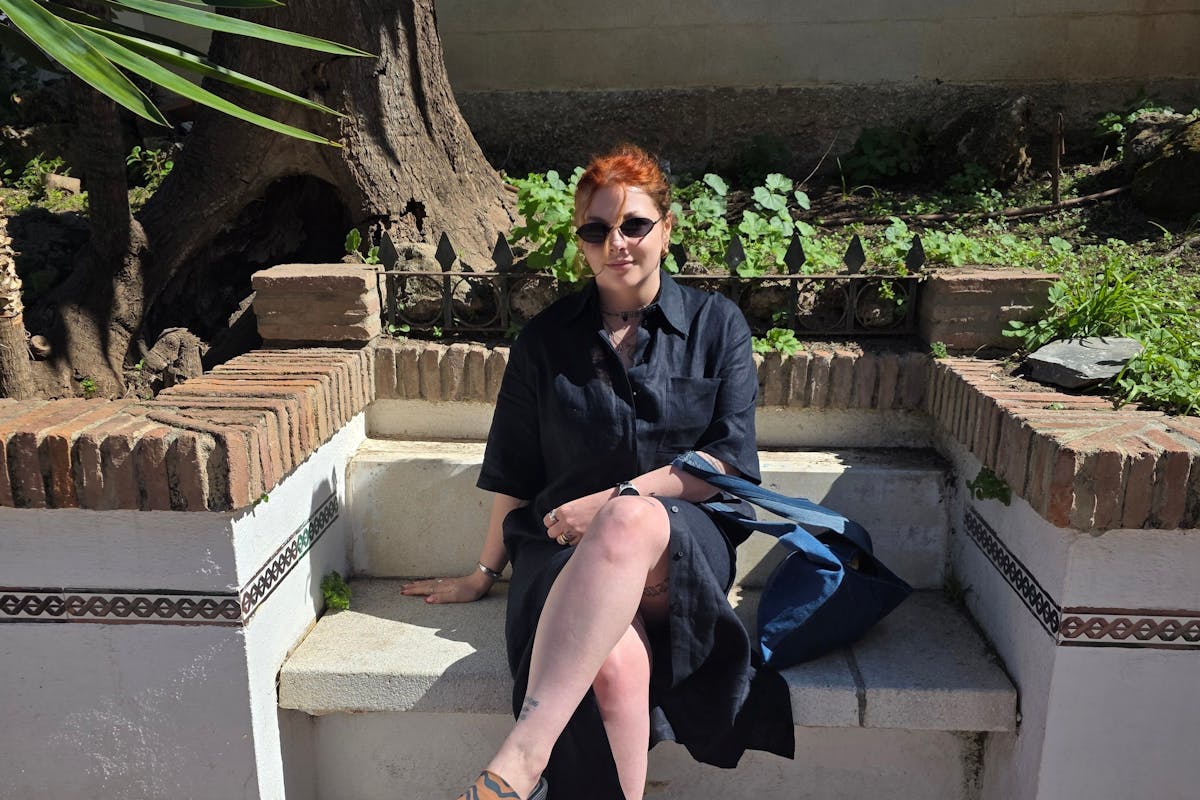
Tell us about you!
My name is Fran, I'm a writer and artist in the North East specialising in Glass and Ceramics, but I dabble in a bit of everything! I also enjoy tattooing, crochet, papercraft/collage and much more! I've got a passion for helping and supporting others which is what led me to start my career with Changing Lives. I run an organisation called Knead for Change – baking and selling bread and using the profits to fund baking bread for those who are struggling with food insecurity and those using food banks and warm spaces. I live with my husband, my two beautiful cats (Dixie and Darcy) and my Jack Russel/Chihuahua (Maple)
Can you tell us about your journey with Changing Lives and how you arrived at your new role?
My journey with Changing Lives began in January 2025 within the Dispersed Housing team in Durham as a Support Worker. Very quickly, my role evolved to include both housing and support responsibilities, and I genuinely loved the variety of the work. It gave me a solid foundation in trauma-informed practice, tenancy sustainment, and holistic support. Changing Lives supported me to start an apprenticeship alongside my role with Pier Training, I started with IDVA training and later chose to specialise in the ISVA pathway, which I am currently completing. As a survivor of domestic and sexual violence, this training felt deeply personal as well as professional. It strengthened my understanding of systemic barriers and reinforced my commitment to advocacy-led, trauma-informed work.
In my previous role, I began to feel that I needed to branch out and search for a more specialised role, specifically supporting women. I spent a couple of months searching Changing Lives job postings before finding my current role, and I instantly just knew..I needed to apply. It aligned not only with my personal values and experiences, but it felt like such a natural progression for me given how driven I was to support other women.
What does a Specialist Women’s Criminal Justice Outreach Coach do in a nutshell?
In a nutshell, we provide holistic, trauma-informed support to women who are leaving prison or on probation, helping them rebuild stability and reduce risk of reoffending. This can include practical support such as housing applications, accessing benefits, and attending appointments. It also involves emotional and confidence-building work, supporting women with substance misuse services, and helping them navigate complex systems that can often feel overwhelming.
We also provide practical resources, such as clothing, toiletries, and pre-packed emergency bags for women fleeing domestic abuse. Community engagement is another important aspect, including group sessions that foster connection and build self-esteem. For example, we recently hosted a Tote Bag decoration workshop for Internation Women's Day, which created space for creativity, meaningful conversation, and peer support.
Ultimately, our role is about standing alongside women during a critical transition period in their lives and ensuring they feel supported, respected, and capable of real, tangible change.
Was there a moment in your work that made you think, “Yes, this is what I’m meant to be doing”?
There hasn’t been just one moment. It’s been a consistent feeling that I’m finally exactly where I’m meant to be. I have to metaphorically pinch myself on a regular basis to remind myself that this in fact, is not just a dream.
However, what stands out most is seeing the shift in a woman’s confidence when she realises she is being heard without judgement. Those moments, when someone who has felt dismissed or defined by their past begins to engage, advocate for herself, or even simply smile more freely, reinforce that this work matters deeply. That sense of purpose, combined with the impact we can see in small but meaningful changes, confirms that this is the right path for me.
How do you build trust with women who may have experienced trauma and instability?
Building trust starts with consistency, honesty, and transparency. Many of the women we support have experienced broken systems and broken promises, so reliability is essential. If we say we will do something, we do it. If something is not possible, we are honest about that. My lived experience allows me to connect in an authentic way. While professional training is invaluable, lived experience brings a level of understanding that cannot be taught. It allows me to empathise without judgement and to validate feelings without minimising them.
We also focus on setting realistic expectations. It’s important not to promise outcomes that are outside of our control. Instead, we work collaboratively with women, empowering them to identify their goals and take ownership of their progress. Trust develops when women feel respected, heard, and involved in their own journey.
How do you see the criminal justice outreach work evolving?
I see criminal justice outreach becoming increasingly preventative, trauma-informed, and collaborative. There is substantial evidence showing that a significant proportion of women within the criminal justice system have experienced trauma, domestic or sexual abuse, and adverse childhood experiences. Many have also faced poverty, mental health challenges, and substance misuse linked to those early experiences. When you view offending behaviour through this lens, it becomes clear that many women are navigating survival responses rather than simply making isolated poor decisions.
Because of this, I believe outreach work must continue shifting a toward gender-responsive and trauma-informed approach.
If we fail to address underlying trauma, we risk only managing symptoms rather than creating long-term change. Focusing on safety, stability, and empowerment is not only compassionate but also reduces reoffending and improves outcomes for families and communities. I also see stronger partnership working across housing, health, probation, and specialist services becoming increasingly important. Women’s needs are rarely singular, and isolated services can unintentionally recreate instability.
Women engage more meaningfully when they feel understood and when services are built with them rather than for them.
Overall, I see the future of criminal justice outreach as preventative rather than curative and rooted in understanding the impact of trauma. By addressing the causes rather than only the consequences, we can support women in creating sustainable, long-term change.