

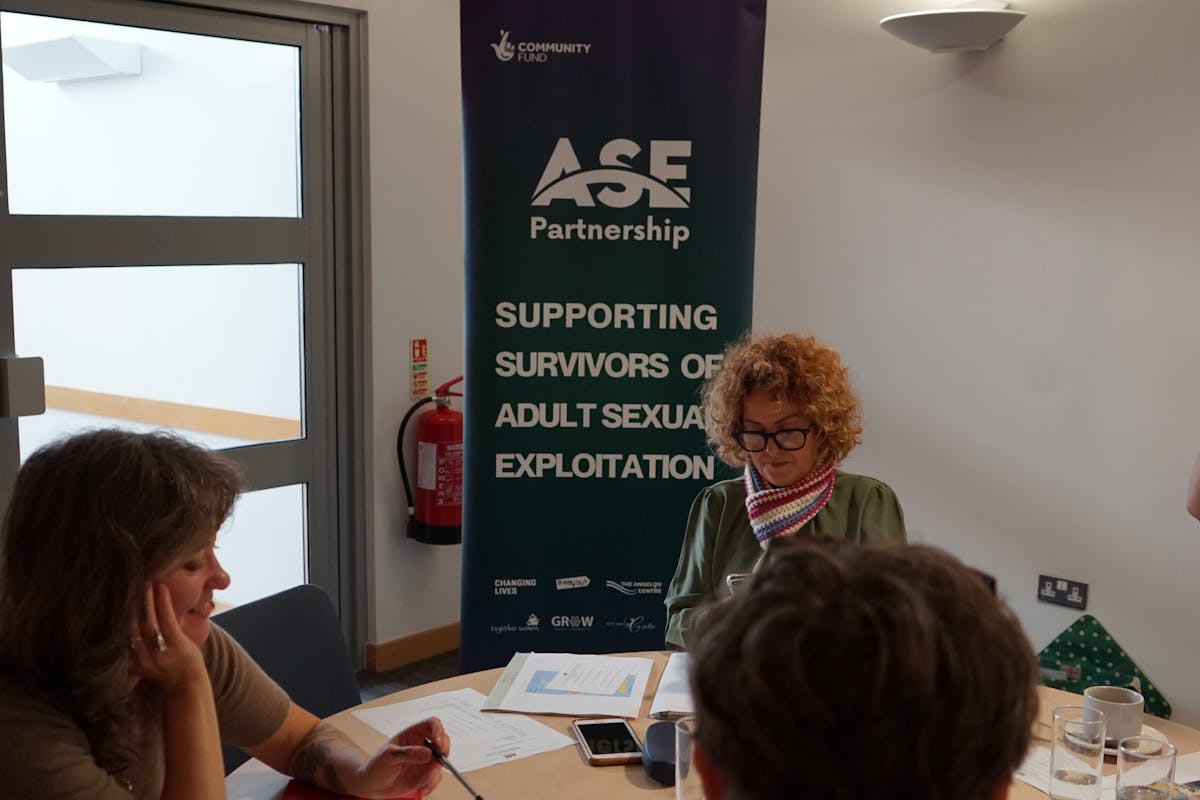
The government’s 2025 Violence Against Women and Girls Strategy, together with its accompanying Action Plan, is a significant moment for those of us working to tackle adult sexual exploitation (ASE). The aim to halve VAWG within a decade is ambitious and welcome, but the real impact will depend on how the strategy translates into concrete support and protection for women experiencing complex and often hidden forms of abuse.
Prevention and Early Identification
One of the strengths of the strategy is its focus on prevention, early intervention, and workforce development. This includes better education on healthy relationships and enhanced training for frontline professionals, which the partnership has advocated for.
Adult sexual exploitation rarely presents in obvious ways. Women may not see themselves as victims, may face criminalisation, or may be managing multiple challenges linked to trauma, poverty, housing insecurity, or substance use. By recognising these complexities and prioritising early identification, the strategy aligns closely with the ASE Partnership’s recommendations. We hope that the planned improvements in training and education will include a specific focus on adult sexual exploitation, helping professionals spot and respond to these unmet needs sooner.
A Landmark Commitment: ASE Definition and Guidance
The strategy’s commitment to legislate a statutory definition of adult sexual exploitation, along with multi-agency statutory guidance, is a landmark moment.
For too long, the lack of a shared definition has led to inconsistent identification, fragmented responses, and a postcode lottery in accessing support. The ASE Partnership has long advocated for a clear, statutory definition and guidance to create a shared understanding across statutory services.
Our recommended definition, developed over several years, is as follows:
“Adult sexual exploitation (ASE) is a form of sexual abuse of people aged 18 or over whereby an individual or group coerce, manipulate or deceive the victim into sexual activity for the disproportionate benefit of the perpetrator(s). Sexual activity does not always involve physical contact; it can also occur through the use of technology. It is distinguished from consensual sex work as the act of coercion, manipulation and deceit removes the freedom and choice to consent.”
For a detailed outline of this briefing including accompanying guidance on complex terms and nuances, please follow this link.
If this definition is developed in collaboration with specialist organisations such as those within our partnership and sex work organisations, it could lead to earlier identification, clearer support pathways, more trauma-informed responses, and reduced criminalisation of survivors. It could also improve data collection and understanding of ASE prevalence, resolving long-standing gaps caused by inconsistent definitions. The partnership has supported over 900 women since its formation across only the North East, Yorkshire and Merseyside. This is indicative of a much larger issue affecting adults across the UK yet currently no systems exist to measure the true scale. Introducing a standardised sexual exploitation flag across police and safeguarding systems would be a way to resolve this.
Where More Is Needed
There are clear points where the VAWG strategy aligns with ASE Partnership priorities:
- Specialist, trauma-informed support services for survivors
- Recognition of barriers to justice and safety that require coordinated multi-agency responses
- Understanding that prevention and cultural change are key to long-term reductions in harm
However, full impact will depend on addressing structural drivers of exploitation — including poverty, unsafe housing, immigration status, and systemic inequality. These must remain central to delivery if women are to be supported sustainably. It is also crucial that ASE is not treated as a niche issue, but embedded across policy, commissioning, and local delivery frameworks, with clear accountability and resourcing.
In addition, there is a notable lack of mention of sex workers, and inclusive prevention must recognise women in all contexts. Many women selling sex can experience violence, exploitation and coercion alongside other unmet needs and their exclusion risks undermining the strategy’s ambition by leaving sex workers outside formal protection and support framework. Explicit mention of sex workers would help ensure prevention and safeguarding measures are inclusive of all women experiencing violence and/or exploitation, reflecting the realities of whose circumstances may overlap with survival strategies or the sex industry.
Conclusion: Turning Commitment into Change
The 2025 VAWG Strategy and Action Plan offers real opportunities for progress. The statutory commitment to define and guide responses to adult sexual exploitation is a significant step forward.
But for this strategy to truly make a difference, it must be delivered in partnership with specialist organisations, local services, and survivors. Only then can it move beyond acknowledgment of ASE to meaningfully improving safety, dignity, and justice for women experiencing it.