

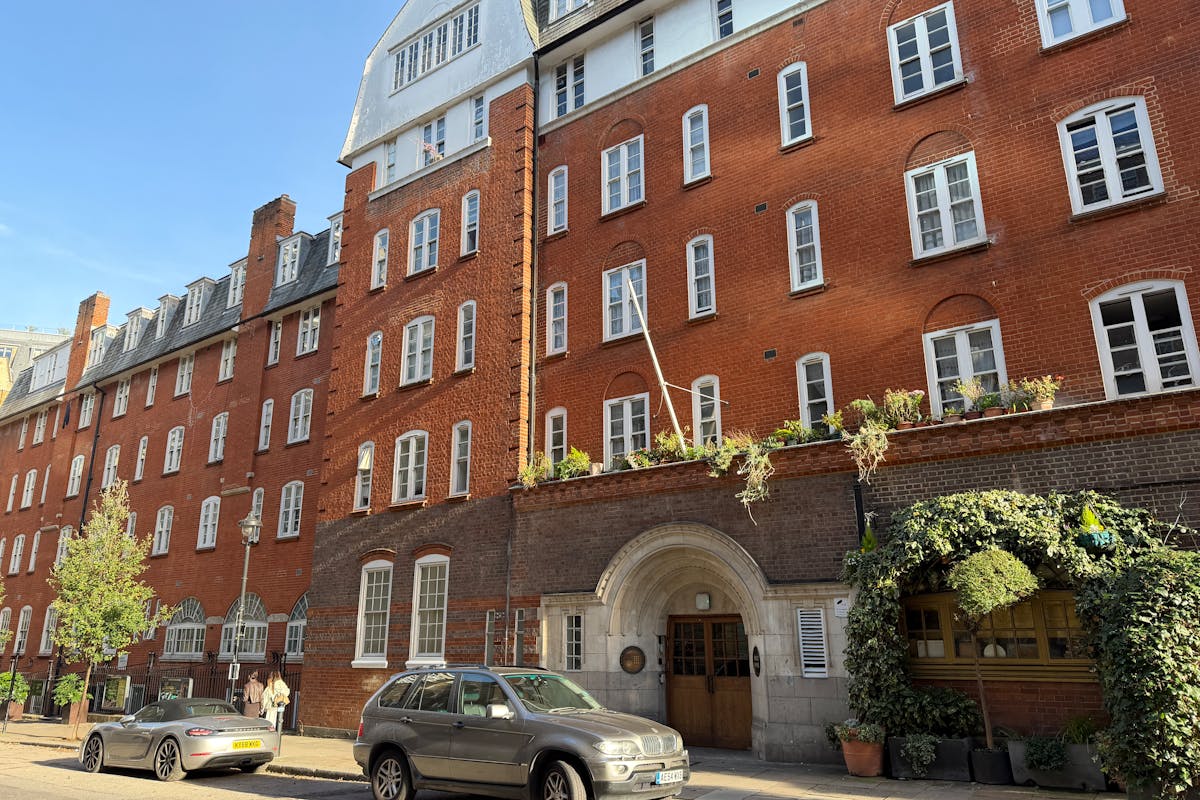
Our work is about more than just a place to say – it's about regaining confidence, independence and building community. Read about one of the people we've supported in the words of one of our team members:
Background
I began working with a male in his sixties in September 2024. He has been at our accommodation for 8 years, and prior to that had been rough sleeping for over 15 years. During his time with us he showed little to no engagement with staff and rarely allowed staff into his accommodation for health and safety checks due to excessive hoarding and clutter. He spent most of his time in his flat and staff rarely saw him.
He did not have electricity, a bank account or a Universal Credit claim and relied entirely on food handouts or food bank vouchers. He has lived this way for his entire time with us. He also suffers from a debilitating skin condition which causes him to isolate for long periods. He has been diagnosed with high-functioning PTSD, which we believe contributes to the hoarding. He described himself as a “social hermit” – someone who likes to socialise, but prefers to isolate when his skin condition worsens. One of his biggest fears around applying for benefits was the expectation that he would need to work despite living with painful lesions and dressings. He was extremely averse to the idea of moving on.
Support Received
When I introduced myself as his new keyworker, it took time to build rapport. After a couple of months he attended a keywork session and we spent hours talking about his interests. I discovered he did not own a pair of shoes, so I suggested applying for a grant. He also mentioned wanting to read a specific George Orwell book, which I owned, so I lent it to him.
We began meeting weekly for keywork sessions, going at a pace he was comfortable with. Over time we discussed the possibility of getting a bank account and applying for Universal Credit. I showed him a few banking options and gave him time to think. We continued to talk about things he enjoyed, such as art and politics. He gave permission for me to speak to his GP and obtain a sick note, and I explained that due to his physical and mental health conditions he would not be expected to work.
Despite increased engagement, he still did not allow staff in for health and safety checks. As a result, our project lead booked a Support to Retain (STR) meeting. These meetings help individuals understand how to retain their tenancy and engage safely. He attended, and our project lead explained the importance of these checks. We agreed a plan where every Monday I would remind him of the upcoming check, and on the day he would leave his door open so we could notify him before entering.
I encouraged him to limit isolation and explore enriching community activities. I created a document with art, music and political activities he could try and offered to attend with him. We also discussed what a positive move-on could look like, working through his fears about ending up homeless again. I reassured him that my job is to support him in ensuring that does not happen.
Impact
The individual now has a bank account, and we are working on obtaining his sick note due to his skin condition and PTSD. Once completed, we will submit his benefit claim. He now attends every keywork session and will stay for long conversations. Most days he knocks on the door to ask if I need anything.
After the STR meeting, he allowed staff into his accommodation for the first time in a year for health and safety checks. I am working with Adult Social Care to address hoarding at a pace that feels manageable for him.
He received his grant, got his first new pair of shoes in over twenty years, and proudly shows them off. He described this as a “fresh start”. After reading the book I lent him, he was eager to discuss it and asked to book another session. He has also agreed to attend an art gallery with me as part of his reintegration into the community.
We are working towards a referral for social housing for older people, but will first need to address hoarding behaviours.